Traffic Control Solutions for Active Work Zones Events Critical Infrastructure
Traffic Control Solutions for Active Work Zones Events Critical Infrastructure
Active Work Zones & Roadway Disruptions
Traffic control becomes critical the moment a roadway is partially or fully obstructed. Crews still need to work, equipment needs space to operate, and traffic must continue moving safely around it. In these environments, coordination among safety, timing, and execution determines whether a project runs smoothly or poses risks.
Vector Traffic Solutions operates at the intersection of safety, logistics, and compliance. Every deployment reflects an understanding of how work zones actually function in the field, not just how they are designed on paper.
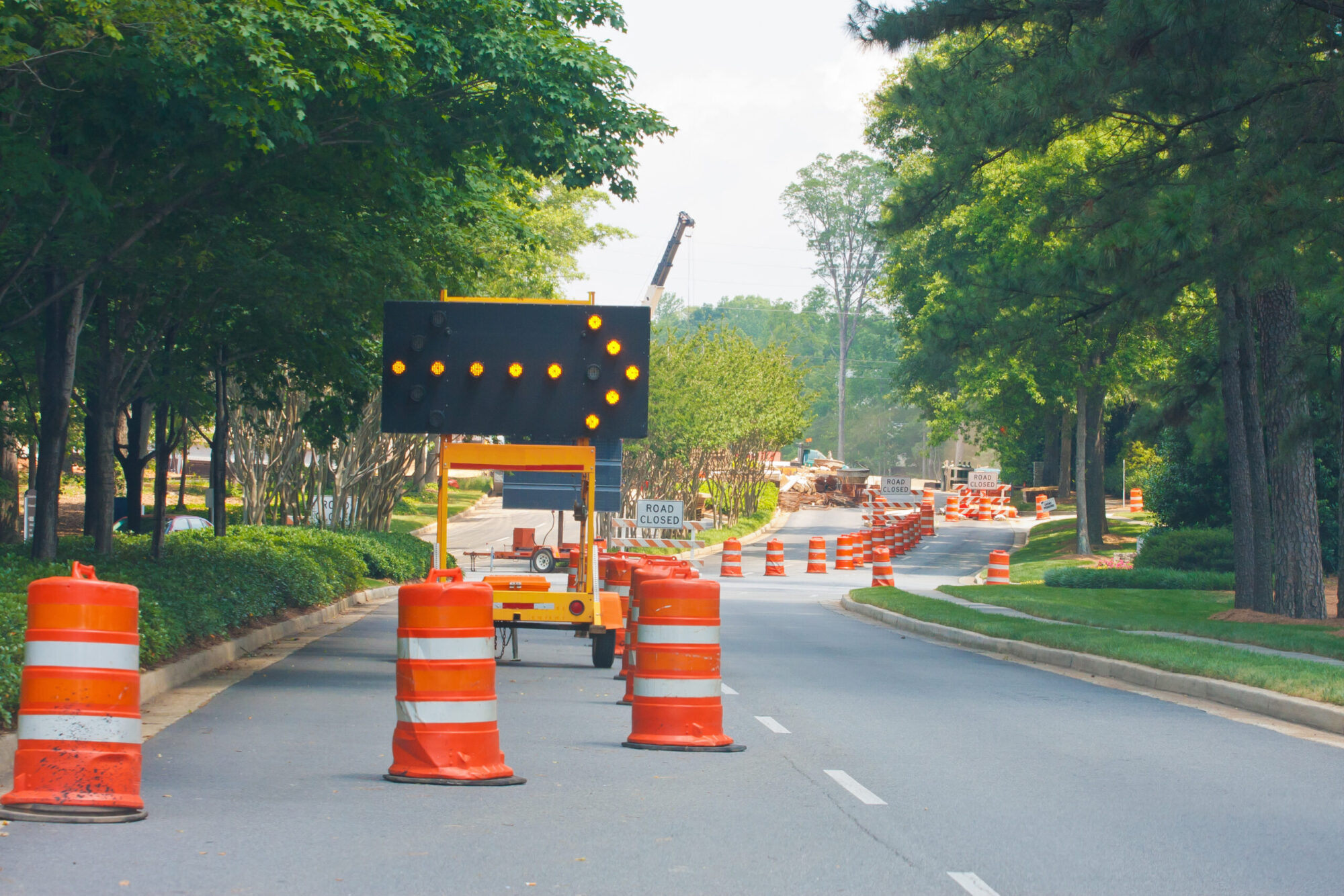
Keeping Work Moving
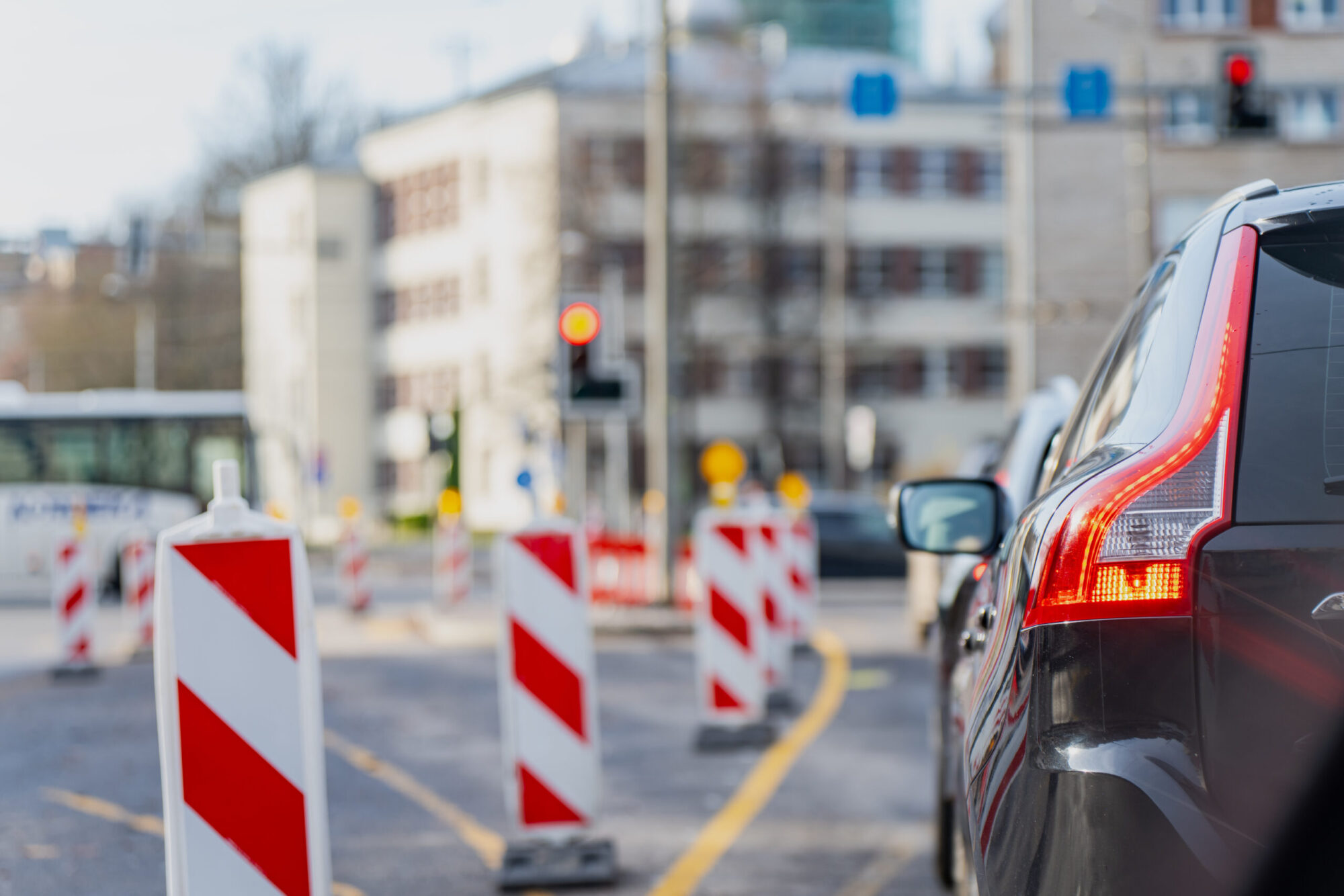
Managing Risk on Active Roads
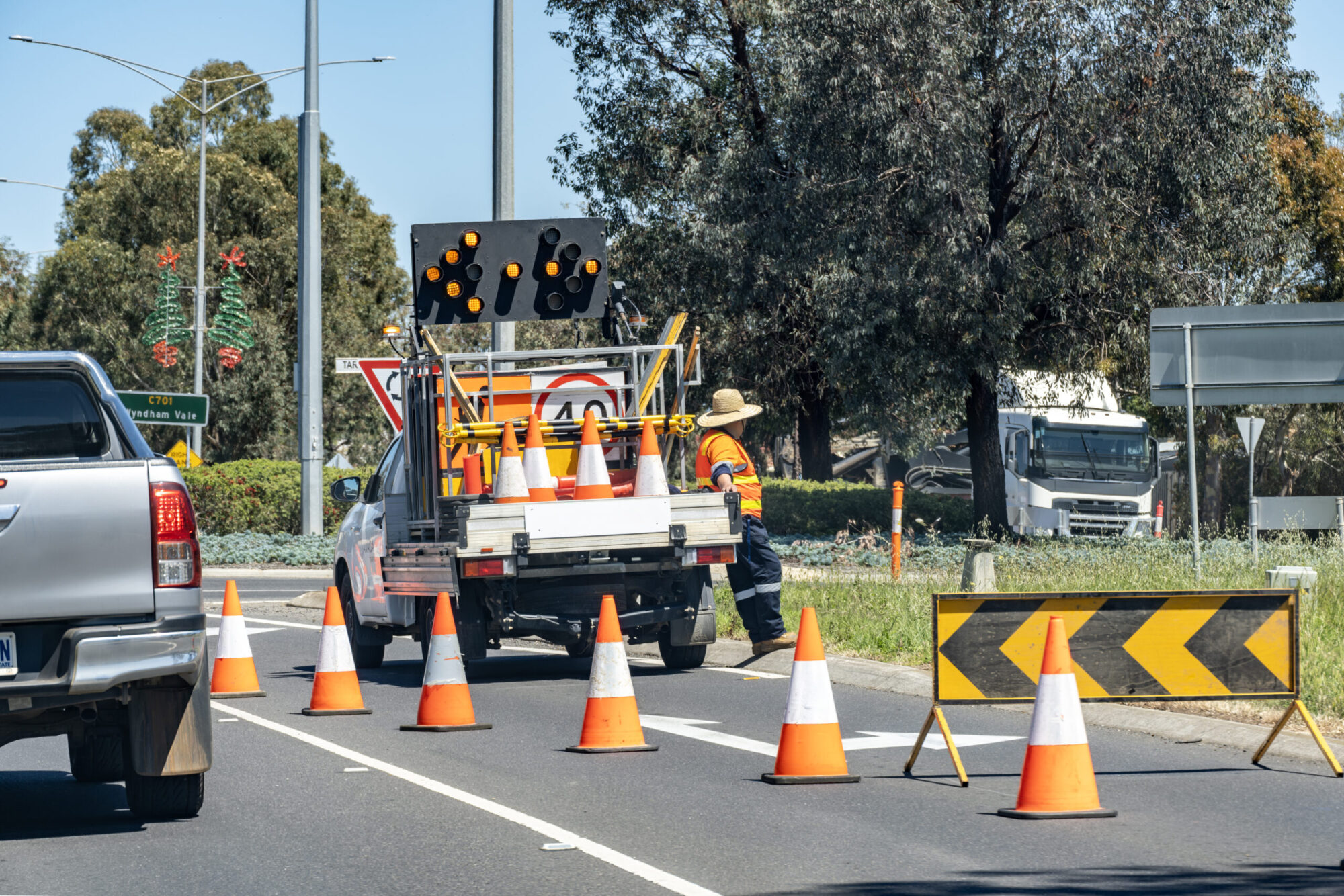
Coordinating Traffic and Crews
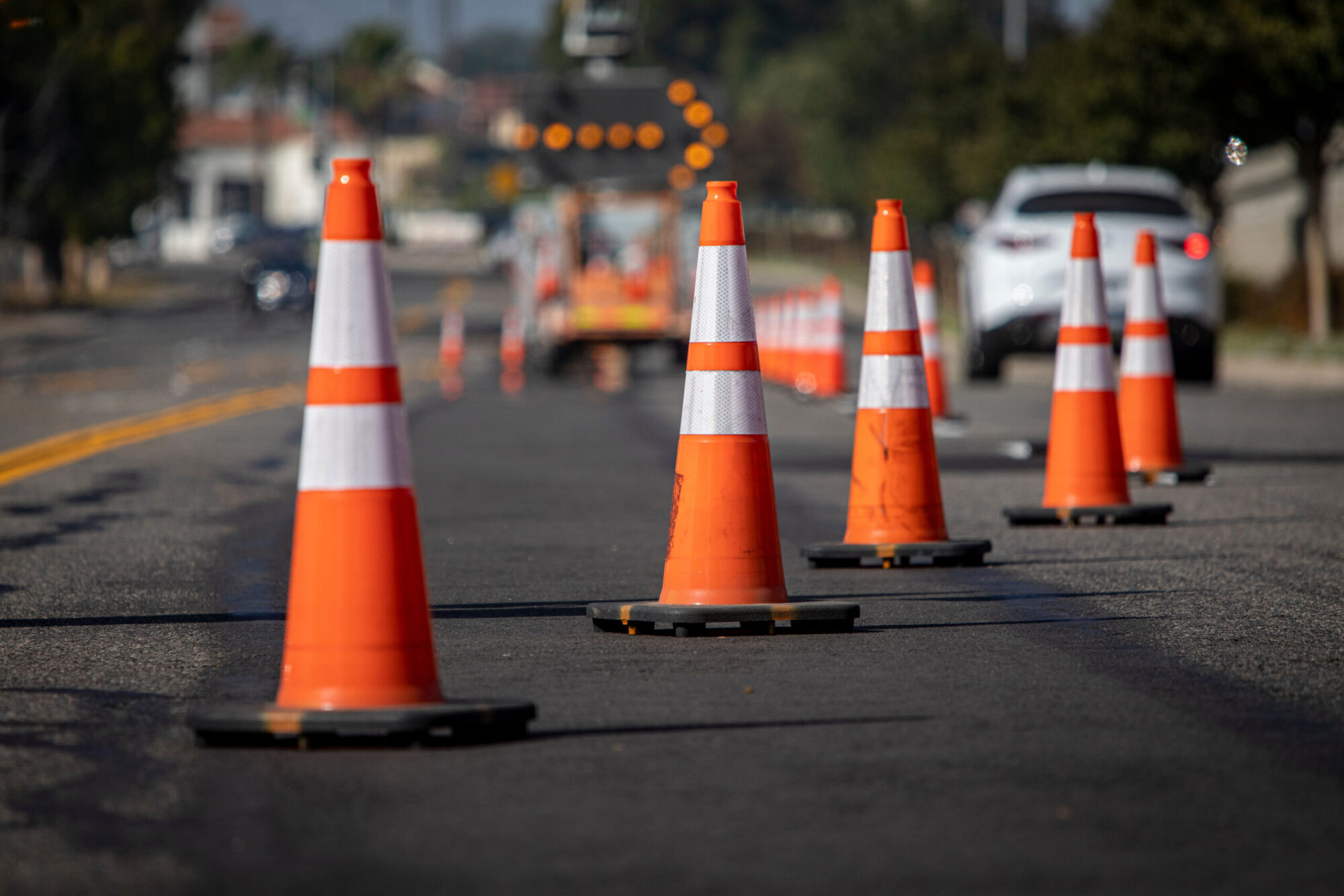
Maintaining Control Under Pressure
Professional Traffic Control Planning & Execution
Supporting Complex Operations Across Industries
Construction & Roadwork
Maintaining traffic flow alongside active crews requires controlled movement, clear transitions, and protection for workers operating near live traffic.
Utility & Fiber Installations
Mobile and phased operations require setups that shift as work progresses, often within active roadways.
Crane & Paving Operations
Partial or full roadway obstruction requires structured redirection and coordinated traffic flow.
Events & Public Environments
Managing both pedestrian and vehicle movement simultaneously requires timing, planning, and clearly defined pathways.
Execution in the Field
Traffic control is defined by how it performs under real conditions. Plans provide direction, but execution determines whether traffic moves safely and the work continues without disruption. Each element of a setup influences how drivers respond, how crews operate, and how the site functions as a whole.
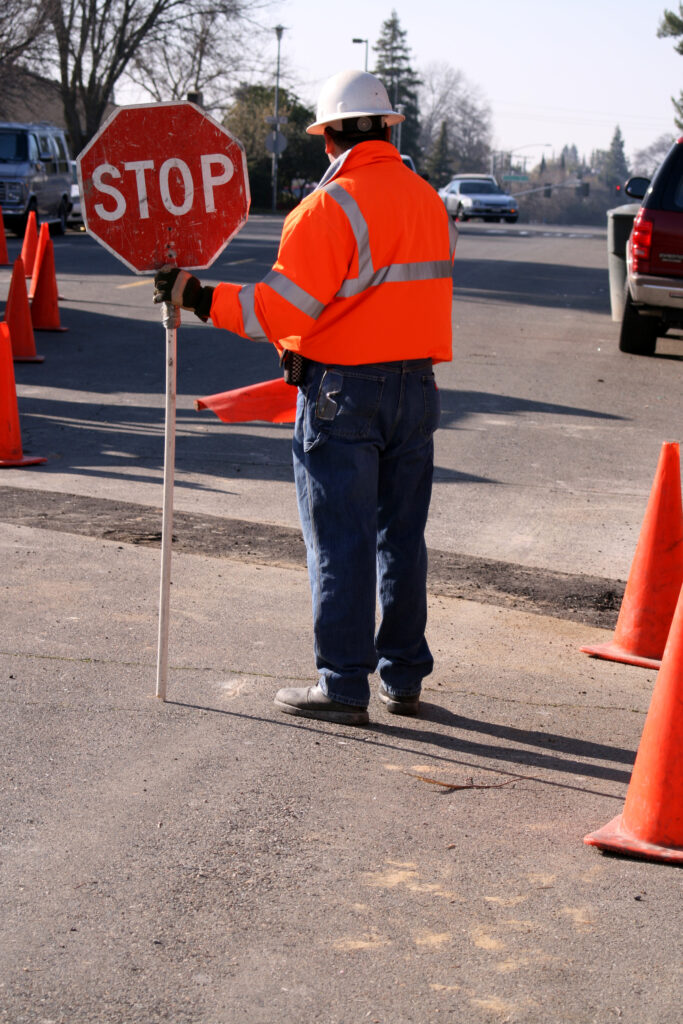
Visibility & Driver Awareness
Signage must be placed where drivers can see, interpret, and react within the available distance. Placement is influenced by speed, roadway type, and surrounding conditions, all of which affect reaction time.
Lane Transitions & Tapering
Lane shifts need to feel natural to the driver. Taper length, spacing, and positioning guide vehicles through the work zone and reduce hesitation or sudden movement.
Traffic Flow Control
Maintaining consistent movement is critical. Setups are designed to prevent bottlenecks, reduce confusion, and keep vehicles moving at a controlled pace through the area.
Coordination with Active Work
Traffic control must align with what is happening on site. Equipment movement, crew positioning, and staging areas all influence how traffic should be managed at any given moment.
Real-Time Adjustments
Conditions change throughout the day. Traffic volume, work phases, and environmental factors require continuous monitoring and immediate adjustments to maintain safe flow.
Site-Specific Adaptation
No two work zones are identical. Road configuration, visibility constraints, and surrounding traffic patterns require setups to be adapted to the specific conditions of each site.
Work zone fatalities occur annually in the U.S.
0
+
Crashes take place in work zones each year
0
+
people were injured in work zone crashes in 2023
0
+
Increase in workzone fatalities between 2013 and 2023
0
%
Compliance & Quality Control
We work within established standards like the Manual on Uniform Traffic Control Devices, along with state and local requirements. From experience, we know that every town handles those standards a little differently. Permitting processes, inspection requirements, and lane closure restrictions can vary depending on the municipality.
We factor that into how we plan and execute each job. Our team understands how to align traffic control setups with both the site conditions and the expectations of the local jurisdiction.
At the same time, we’re managing real variables on the ground, including traffic flow, road layout, and visibility. Taking all of that into account helps ensure the work zone runs smoothly and stays compliant from start to finish.
MUTCD Alignment
Work zones are structured in accordance with nationally recognized standards to ensure consistency, clarity, and safe navigation for drivers approaching and moving through active areas.
State & Local Compliance
Every project is coordinated with state and municipal requirements, taking into account permitting, inspections, and location-specific expectations that impact how traffic control is implemented.
OSHA Compliant
All operations are carried out with a focus on workplace safety standards, supporting both crew protection and a structured environment where work can be performed responsibly.
Certified Flaggers
Flagging is handled by trained professionals who manage vehicle movement with awareness, timing, and clear communication in live traffic conditions.
Certified Instructor
Training is led by a certified instructor, supporting proper techniques, awareness, and consistent practices for teams working in and around active traffic environments.